As summer winds down and cooler weather makes its way to Mid-Missouri, the real estate market enters a new season, too. Fall buyers are often thinking beyond summer curb appeal and backyard.

Dated: October 3 2024
Views: 407
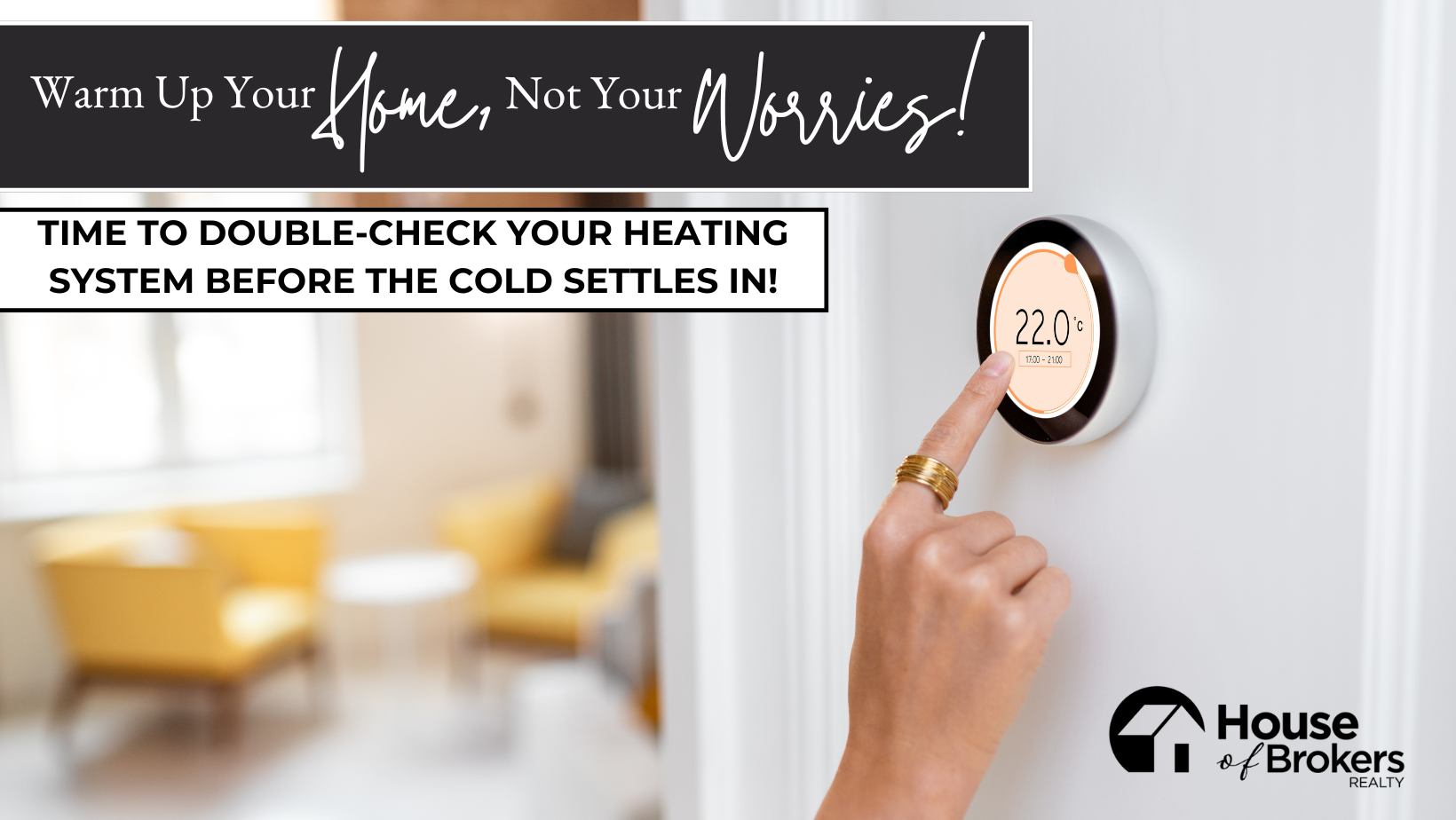
As the colder months approach, prepping your home for winter becomes crucial. Your heating system is at the heart of keeping your family warm and cozy, but without proper maintenance, it can quickly become inefficient or even fail. Neglecting your heating system and other parts of your home during this season can lead to costly repairs, increased energy bills, and discomfort.
The good news? With some early preparation, you can avoid these issues while ensuring your home stays comfortable, safe, and energy-efficient. In this blog, we'll walk you through everything you need to know about checking your heating system and prepping your home for the cold.
Your home's heating system is one of its most important components, especially in the winter. There are various types of heating systems, including:
Each system has its own maintenance needs, but all share one thing in common: regular upkeep is crucial for peak performance and energy efficiency.
The last thing you want is a breakdown when it's freezing outside. Some common heating system issues include:
Regular maintenance can prevent these issues, ensuring your system runs efficiently throughout the colder months.
Waiting until winter to check your heating system can lead to last-minute panic, costly repairs, or even being left without heat when temperatures drop. Conducting an early check allows you to:
One of the easiest and most important tasks in heating system maintenance is replacing or cleaning air filters. Filters trap dust, pollen, and other debris, keeping the air inside your home clean. A clogged filter can cause your system to work harder, reducing its efficiency and potentially leading to breakdowns.
Tip: Change your filter every 1-3 months, depending on the type of filter and how often you use your system.
Over time, dirt and debris can accumulate in your home's air ducts and vents, reducing airflow and putting extra strain on your system. Regular cleaning helps your system heat your home more efficiently.
Tip: If you notice inconsistent temperatures between rooms, it might be time to check your ducts for leaks or blockages.
Your thermostat is the command center for your heating system. If it’s not functioning properly, your heating system won’t either. Make sure your thermostat is set correctly and that the temperature readings are accurate.
Upgrade: Consider installing a programmable or smart thermostat that can adjust the temperature automatically to save energy when you’re not home.
Before the first cold snap, turn on your heating system to make sure it's working properly. Pay attention to any unusual sounds, such as banging or rattling, or strange odors like burning dust.
What to Look For:
While you can handle some maintenance tasks yourself, it's always a good idea to have a professional inspect your system annually. They will:
If your system is older, it might be time to consider replacing it with a newer, more energy-efficient model.
If your furnace won’t start, the first thing to try is resetting it. Check your breaker box to ensure the furnace is getting power, and if you have a gas system, check that the pilot light is lit.
Tip: Reset the furnace according to the manufacturer’s instructions and make sure the furnace switch is set to “On.”
If some rooms are warmer than others, you might have an airflow problem. Start by checking the vents in each room to make sure they’re open and not blocked by furniture.
Solution: You can also adjust the dampers in your ducts to direct more heat to certain areas or seal leaks to improve efficiency.
In homes with radiators or baseboard heaters, dust and debris can block airflow and reduce heating efficiency. Make sure these are clear, and move any furniture that might be obstructing them.
Tip: Vacuum your radiators and baseboards regularly to keep them clean.
Proper insulation is key to keeping heat in and the cold out. Attics, walls, and basements are areas where heat loss can occur if insulation isn’t sufficient.
Upgrade: Consider adding or upgrading insulation, particularly in older homes, to improve energy efficiency and reduce heating costs.
Drafty windows and doors can let cold air in, making your heating system work harder. Check for drafts around these areas, and use weatherstripping or caulk to seal any gaps.
Tip: Consider applying window film or installing storm windows to further reduce heat loss.
Worn-out weatherstripping around doors and windows can let in drafts. Inspect your weatherstripping and replace it if necessary.
Storm windows add an extra layer of protection against the cold. If your home has single-pane windows, consider adding storm windows to improve insulation.
Frozen pipes are a common winter hazard that can lead to costly repairs. Insulate exposed pipes, especially in unheated areas like garages or basements, to prevent them from freezing.
Don’t forget about outdoor faucets! Drain and disconnect hoses, and install frost-free spigots if necessary.
Flushing your water heater regularly removes sediment buildup, which can reduce efficiency. Lowering the temperature setting can also save energy while keeping water warm enough for comfort.
In case of a power outage, it’s important to have a backup heat source like a wood stove, propane heater, or generator.
Safety Tip: Always ensure proper ventilation when using alternative heating sources indoors to avoid carbon monoxide poisoning.
Prepare for winter storms by having essential supplies on hand: batteries, flashlights, blankets, non-perishable food, and plenty of water.
If the power goes out for an extended period, your pipes could freeze. Prevent this by letting faucets drip and opening cabinet doors to allow warm air to circulate around pipes.
Setting your thermostat to a lower temperature when you're not home can save you money. A good rule of thumb is to lower it by 10-15 degrees while you’re away or asleep.
Set your ceiling fans to rotate clockwise in the winter. This pushes warm air that rises to the ceiling back down into the room.
If you have rooms that aren’t used frequently, close the vents and doors to conserve heat.
Open your curtains during the day to let the sun naturally warm your home. In the evening, close them to keep the heat in.
Clogged gutters can cause ice dams, leading to water damage. Clean them before winter and consider installing gutter guards.
Inspect your roof for missing shingles or signs of damage. Small issues can worsen under the stress of snow and ice.
Before winter hits, repair cracks in your driveway or sidewalks. These can worsen when water seeps in and freezes.
Smart thermostats allow you to control your home’s temperature remotely and create heating schedules that maximize comfort and efficiency.
Automated window treatments can adjust based on temperature and sunlight, helping you retain heat and save on energy costs.
If your heating system is over 15 years old, constantly needs repairs, or isn’t heating your home evenly, it may be time for a replacement. Other signs to look for include:
Investing in a new heating system can save you money in the long run through improved energy efficiency. Modern systems are designed to use less energy while providing better heating. Plus, many new models come with advanced features like smart thermostats, improved air filtration, and quieter operation.
When it’s time to upgrade, consider energy-efficient options such as:
Preparing your home for winter may seem daunting, but with the right approach, you can ensure your heating system operates efficiently and effectively throughout the colder months. By checking and maintaining your heating system, winterizing your home, and being proactive about potential issues, you can avoid costly repairs and keep your family warm and comfortable.
Remember, early preparation is key! Don’t wait for the first snow to tackle these tasks—start now, and enjoy a cozy winter season in your well-prepared home. For more tips and information on home maintenance, check out our other blogs and resources to keep your home in top shape all year long.
By following this guide, you’ll not only enhance your home’s comfort but also ensure a safe and efficient winter season. Stay warm!

I serve as the Director of Marketing for Weichert, Realtors® – House of Brokers, where I lead our brand strategy, agent marketing, company events, and community engagement efforts. My passio....
As summer winds down and cooler weather makes its way to Mid-Missouri, the real estate market enters a new season, too. Fall buyers are often thinking beyond summer curb appeal and backyard.
Are we getting a little too much déjà vu from the 1970s?As a Realtor® who pays attention to economic trends—not just what is happening on the MLS—I’ve been
A house can tell a very different story in October than it does in June.Landscaping has tremendous visual power. In fact, 97% of REALTORS® say curb appeal is important in attracting a buyer. But
You don't need a shopping cart full of seasonal décor to give your home a fresh look for fall. With about $100 and a little creativity, you can make a noticeable difference.Start at the front
 These Properties are provided courtesy of Broker Reciprocity/IDX Lake Of The Ozarks Board of REALTORS® and Bagnell Dam Association of REALTORS® MLS, Inc. Multiple Listing Service. This information is copyrighted by The Lake Of The Ozarks Board of REALTORS® and The Bagnell Dam Association of REALTORS® MLS, Inc. Multiple Listing Service. Information is being provided for consumers' personal, non-commercial use and may not be used for any purpose other than to identify prospective properties
consumers may be interested in purchasing. All information deemed reliable but not guaranteed and should be independently verified. All properties are subject to prior sale, change, or withdrawal. Information herein deemed reliable but not guaranteed. Copyright 2026 Lake Of The Ozarks Board of Realtors, Bagnell Dam Assoc. of Realtors. Last Updated: September 24, 2026 12:35 PM UTC
Show More...
These Properties are provided courtesy of Broker Reciprocity/IDX Lake Of The Ozarks Board of REALTORS® and Bagnell Dam Association of REALTORS® MLS, Inc. Multiple Listing Service. This information is copyrighted by The Lake Of The Ozarks Board of REALTORS® and The Bagnell Dam Association of REALTORS® MLS, Inc. Multiple Listing Service. Information is being provided for consumers' personal, non-commercial use and may not be used for any purpose other than to identify prospective properties
consumers may be interested in purchasing. All information deemed reliable but not guaranteed and should be independently verified. All properties are subject to prior sale, change, or withdrawal. Information herein deemed reliable but not guaranteed. Copyright 2026 Lake Of The Ozarks Board of Realtors, Bagnell Dam Assoc. of Realtors. Last Updated: September 24, 2026 12:35 PM UTC
Show More...
 Listings displaying the MARIS logo are courtesy of the participants of Mid America Regional Information Systems Internet Data Exchange. IDX information is provided exclusively for consumers' personal, non-commercial use and may not be used for any purpose other than to identify prospective properties consumers may be interested in purchasing.
Information is deemed reliable but is not guaranteed.
Listings displaying the MARIS logo are courtesy of the participants of Mid America Regional Information Systems Internet Data Exchange. IDX information is provided exclusively for consumers' personal, non-commercial use and may not be used for any purpose other than to identify prospective properties consumers may be interested in purchasing.
Information is deemed reliable but is not guaranteed.
33. Required DMCA Notice
The Digital Millennium Copyright Act of 1998, 17 U.S.C. §512, the DMCA, provides recourse for copyright owners who believe that material appearing on the Internet infringes their rights under U.S. copyright law. If you believe in good faith that any content or material made available in connection with our website or services infringes your copyright, you (or your agent) may send us a notice requesting that the content or material be removed, or access to it blocked. Notices must be sent in writing by email to DMCAnotice@MLSGrid.com. The DMCA requires that your notice of alleged copyright infringement include the following information: (1) description of the copyrighted work that is the subject of claimed infringement; (2) description of the alleged infringing content and information sufficient to permit us to locate the content; (3) contact information for you, including your address, telephone number and email address; (4) a statement by you that you have a good faith belief that the content in the manner complained of is not authorized by the copyright owner, or its agent, or by the operation of any law; (5) a statement by you, signed under penalty of perjury, that the information in the notification is accurate and that you have the authority to enforce the copyrights that are claimed to be infringed; and (6) a physical or electronic signature of the copyright owner or a person authorized to act on the copyright owners behalf. Failure to include all of the above information may result in the delay of the processing of your complaint.
 The territorial jurisdiction of the Jefferson City Area Board of REALTORS®, Inc. includes Cole, Callaway, Moniteau, and Osage Counties. This representation is based in whole or part on data supplied by the Multiple Listing Service of the Jefferson City Area Board of REALTORS®, Inc. Neither the Board nor its MLS guarantees or is any way responsible for its accuracy. Data maintained by the Board or its MLS may not reflect all real estate activity in the market.

Listing information comes in part from the Internet Data Exchange (IDX) of the Columbia Board of REALTORS® or its Multiple Listing Service. The information being provided is deemed reliable but not guaranteed, and all information should be verified by the consumer. In consideration for the receipt of the information on this page, the recipient agrees to use the information solely for the private non-commercial purpose of identifying a property in which the recipient has a good faith interest in acquiring. Last Update: #Update Data Copyright© 2026 Columbia Board of REALTORS®. All rights reserved.
Show More...
 Heart Of Missouri Board Of REALTORS® All information deemed reliable but not guaranteed. All properties are subject to prior sale, change or withdrawal. Neither listing broker(s) or information provider(s) shall be responsible for any typographical errors, misinformation, misprints and shall be held totally harmless. Listing(s) information is provided for consumer's personal, non-commercial use and may not be used for any purpose other than to identify prospective properties consumers may be
interested in purchasing. The data relating to real estate for sale on this website comes in part from the Internet Data Exchange program of the Multiple Listing Service. Real estate listings held by brokerage firms other than Weichert, Realtors® - House of Brokers may be marked with the Internet Data Exchange logo and detailed information about those properties will include the name of the listing broker(s) when required by the MLS. Copyright ©2026 All rights reserved.
Last Updated: September 24, 2026 7:24 PM UTC
Show More...
Heart Of Missouri Board Of REALTORS® All information deemed reliable but not guaranteed. All properties are subject to prior sale, change or withdrawal. Neither listing broker(s) or information provider(s) shall be responsible for any typographical errors, misinformation, misprints and shall be held totally harmless. Listing(s) information is provided for consumer's personal, non-commercial use and may not be used for any purpose other than to identify prospective properties consumers may be
interested in purchasing. The data relating to real estate for sale on this website comes in part from the Internet Data Exchange program of the Multiple Listing Service. Real estate listings held by brokerage firms other than Weichert, Realtors® - House of Brokers may be marked with the Internet Data Exchange logo and detailed information about those properties will include the name of the listing broker(s) when required by the MLS. Copyright ©2026 All rights reserved.
Last Updated: September 24, 2026 7:24 PM UTC
Show More...
 All information deemed reliable but not guaranteed. All properties are subject to prior sale, change or withdrawal. Neither listing broker(s) or information provider(s) shall be responsible for any typographical errors, misinformation, misprints and shall be held totally harmless. Listing(s) information is provided for consumer's personal, non-commercial use and may not be used for any purpose other than to identify prospective properties consumers may be interested in purchasing. The data relating
to real estate for sale on this website comes in part from the Internet Data Exchange program of the Multiple Listing Service. Real estate listings held by brokerage firms other than Weichert, Realtors® - House of Brokers may be marked with the Internet Data Exchange logo and detailed information about those properties will include the name of the listing broker(s) when required by the MLS. Copyright ©2026 All rights reserved.
Last Updated: September 24, 2026 7:29 PM UTC
Show More...
All information deemed reliable but not guaranteed. All properties are subject to prior sale, change or withdrawal. Neither listing broker(s) or information provider(s) shall be responsible for any typographical errors, misinformation, misprints and shall be held totally harmless. Listing(s) information is provided for consumer's personal, non-commercial use and may not be used for any purpose other than to identify prospective properties consumers may be interested in purchasing. The data relating
to real estate for sale on this website comes in part from the Internet Data Exchange program of the Multiple Listing Service. Real estate listings held by brokerage firms other than Weichert, Realtors® - House of Brokers may be marked with the Internet Data Exchange logo and detailed information about those properties will include the name of the listing broker(s) when required by the MLS. Copyright ©2026 All rights reserved.
Last Updated: September 24, 2026 7:29 PM UTC
Show More...
 All information deemed reliable but not guaranteed. All properties are subject to prior sale, change or withdrawal. Neither listing broker(s) or information provider(s) shall be responsible for any typographical errors, misinformation, misprints and shall be held totally harmless. Listing(s) information is provided for consumer's personal, non-commercial use and may not be used for any purpose other than to identify prospective properties consumers may be interested in purchasing. The data relating
to real estate for sale on this website comes in part from the Internet Data Exchange program of the Multiple Listing Service. The
statistical data contained herein has not been verified by the CMBR MLS and the publication of information hereof is not a representation or warranty of any fact whatsoever. Real estate listings held by brokerage firms other than Weichert, Realtors® - House of Brokers may be marked with the Internet Data Exchange logo and detailed information about those properties will include the name of the listing broker(s) when required by the MLS. Copyright ©2026 All rights reserved.
Last Updated: September 24, 2026 7:39 PM UTC
Show More...
All information deemed reliable but not guaranteed. All properties are subject to prior sale, change or withdrawal. Neither listing broker(s) or information provider(s) shall be responsible for any typographical errors, misinformation, misprints and shall be held totally harmless. Listing(s) information is provided for consumer's personal, non-commercial use and may not be used for any purpose other than to identify prospective properties consumers may be interested in purchasing. The data relating
to real estate for sale on this website comes in part from the Internet Data Exchange program of the Multiple Listing Service. The
statistical data contained herein has not been verified by the CMBR MLS and the publication of information hereof is not a representation or warranty of any fact whatsoever. Real estate listings held by brokerage firms other than Weichert, Realtors® - House of Brokers may be marked with the Internet Data Exchange logo and detailed information about those properties will include the name of the listing broker(s) when required by the MLS. Copyright ©2026 All rights reserved.
Last Updated: September 24, 2026 7:39 PM UTC
Show More...
 All information deemed reliable but not guaranteed. All properties are subject to prior sale, change or withdrawal. Neither listing broker(s) or information provider(s) shall be responsible for any typographical errors, misinformation, misprints and shall be held totally harmless. Listing(s) information is provided for consumer's personal, non-commercial use and may not be used for any purpose other than to identify prospective properties consumers may be interested in purchasing. The data relating
to real estate for sale on this website comes in part from the Internet Data Exchange program of the Multiple Listing Service. Real estate listings held by brokerage firms other than Weichert, Realtors® - House of Brokers may be marked with the Internet Data Exchange logo and detailed information about those properties will include the name of the listing broker(s) when required by the MLS. Copyright ©2026 All rights reserved.
Last Updated: September 24, 2026 6:51 PM UTC
Show More...
All information deemed reliable but not guaranteed. All properties are subject to prior sale, change or withdrawal. Neither listing broker(s) or information provider(s) shall be responsible for any typographical errors, misinformation, misprints and shall be held totally harmless. Listing(s) information is provided for consumer's personal, non-commercial use and may not be used for any purpose other than to identify prospective properties consumers may be interested in purchasing. The data relating
to real estate for sale on this website comes in part from the Internet Data Exchange program of the Multiple Listing Service. Real estate listings held by brokerage firms other than Weichert, Realtors® - House of Brokers may be marked with the Internet Data Exchange logo and detailed information about those properties will include the name of the listing broker(s) when required by the MLS. Copyright ©2026 All rights reserved.
Last Updated: September 24, 2026 6:51 PM UTC
Show More...
